Real-time fraud detection purpose-built for SMB payment processors
Every transaction scored in under 40ms. Card-testing attacks flagged before the third micro-transaction. False-positive decline rates cut with per-merchant baseline calibration. No gateway replacement required.
The cost of rules built for someone else
Generic fraud rules designed for high-volume card-not-present environments punish SMB merchants. Irregular purchase sizes, seasonal spikes, and local geography trigger false-positive declines at rates that damage more revenue than the fraud itself.
Manual rules-based filters generate 8–15% false-positive decline rates, blocking legitimate SMB merchant revenue while letting sophisticated card-testing and bust-out fraud slip through. The detection tools built for Visa-scale card issuers are not calibrated for processors running 5,000–50,000 daily transactions across a diverse SMB merchant book.
How Fraudhalo works
A single API integration into your existing gateway. No infrastructure replacement.
Raw transaction events in
Card BIN, merchant category code, velocity signals, device fingerprint, and IP metadata streamed via webhook or API from your existing gateway — no schema changes required.
Real-time ensemble scoring
Each transaction scored in under 40 milliseconds: behavioral velocity analysis, BIN risk clustering, and merchant-specific baseline deviation detection trained on SMB processor transaction patterns.
Decision and documentation out
Approve, decline, or step-up-review written back to your gateway within the authorization window — plus a structured risk record per decision for chargeback response documentation.
Six modules. One coherent platform.
Built for processors who need fraud detection that understands SMB merchant behavior, not enterprise card-network scale.
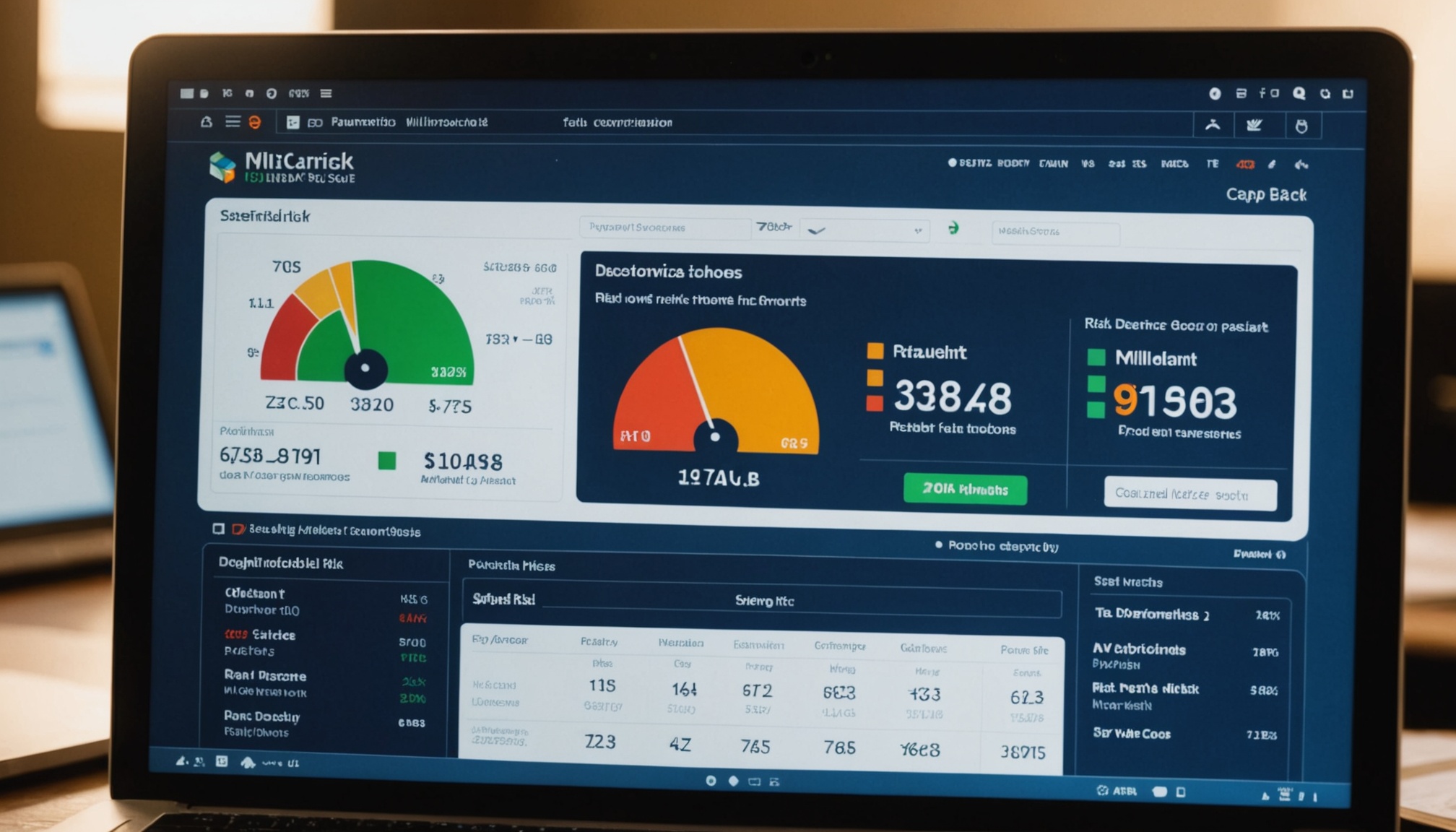
Real-Time Transaction Scoring
Sub-40ms risk decisions within the card authorization window
Every transaction event triggers a live scoring pass that evaluates BIN risk tier, merchant category deviation, session velocity, and device fingerprint consistency. The decision arrives at the gateway before the issuer responds, so the processor can act on Fraudhalo's signal without adding latency to the payment flow. Scoring logic is continuously updated as new fraud patterns emerge from SMB transaction feeds across the network.
Get a Demo →Card-Testing Attack Detection
Identify card-testing bursts before chargebacks accumulate
Card-testing attacks — where fraudsters probe stolen card numbers with micro-transactions — look like normal low-value traffic until chargebacks arrive weeks later. Fraudhalo's velocity-burst detector identifies the characteristic cadence of testing sequences in real time: rapid fire from a single IP range, BIN sequence clustering, and merchant-level authorization pattern spikes that deviate from the merchant's own baseline. Detection fires before the third micro-transaction in a suspected sequence.
Get a Demo →

Bust-Out Fraud Modeling
14-day rolling behavioral drift detection for at-risk merchant accounts
Bust-out fraud involves merchants building transaction history before executing a large fraudulent charge. Fraudhalo's cohort model tracks merchant-level behavioral drift over 14-day rolling windows — gradual ticket-size escalation, new geographic spread, and unusual refund ratios — and surfaces at-risk merchant IDs to the processor's risk operations team before the fraudulent event. Risk operations receives a prioritized watchlist updated every six hours.
Get a Demo →False-Positive Reduction Engine
Cut wrongful declines by recalibrating rules against merchant-specific baselines
Generic rules-based declines treat a landscaping company in Decatur the same as a recurring SaaS subscription in midtown. Fraudhalo builds per-merchant transaction baselines covering typical ticket sizes, peak hours, customer return rates, and geographic spread. Decline recommendations factor in merchant-specific context, reducing false-positive rates without opening risk thresholds. Processors using the engine report material reductions in dispute-driven merchant attrition within 60 days of deployment.
Get a Demo →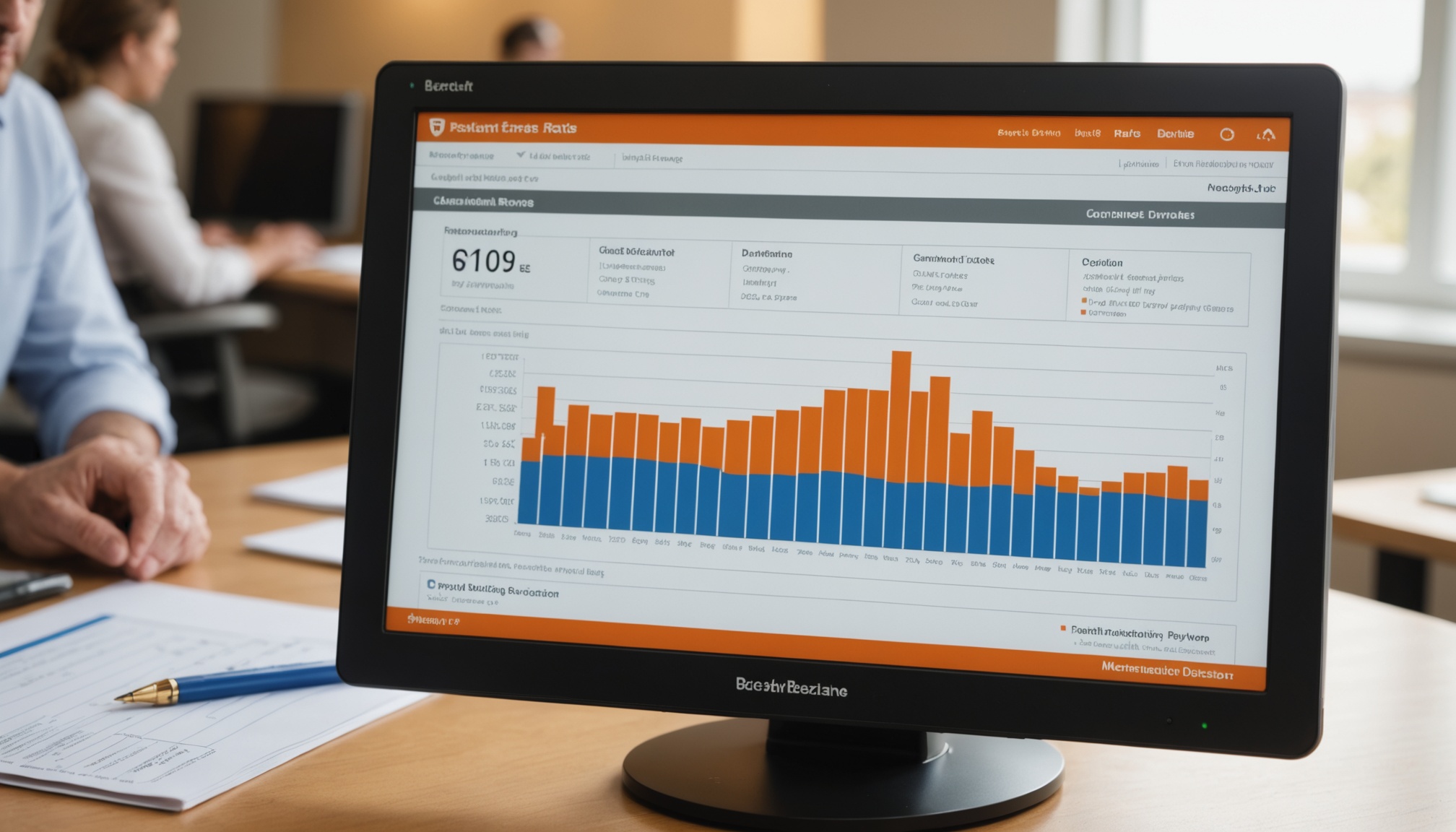

Chargeback Documentation Pack
Auto-generate response documentation for Visa and Mastercard disputes
Every transaction Fraudhalo scores generates a structured decision record capturing the risk signals, model version, and decision timestamp. When a chargeback arrives, the processor retrieves the corresponding record via a single API call and uses it as the basis for the dispute response. The record includes all relevant fraud indicator evidence in the format required by Visa Dispute Resolution and Mastercard Dispute Resolution processes, reducing analyst time spent assembling documentation per dispute.
Get a Demo →Processor Dashboard and Alerting
Operational visibility into fraud trends, model performance, and portfolio health
Risk operations teams access a dashboard showing real-time fraud rate by merchant segment, model approval and decline volumes, false-positive rate trend, and active card-testing or bust-out watchlist alerts. Threshold-based alerting sends email or webhook notification when a monitored metric crosses a configurable boundary. Dashboard data refreshes every five minutes and covers the trailing 90-day performance window.
Get a Demo →
Built for a specific kind of processor
Fraudhalo is scoped to SMB payment processors and independent payment facilitators running 5,000–50,000 daily transactions across $20M–$300M annual payment volume with 100–2,000 active merchant accounts.
It is not designed for enterprise card networks operating at Visa or Mastercard scale, nor for large direct-card issuers with in-house fraud modeling teams. Narrow scope means the calibration models, detection thresholds, and baseline logic are built around the transaction patterns your merchant portfolio actually produces.
Talk to the teamGood fit if you have:
- 5,000–50,000 daily transactions
- $20M–$300M annual payment volume
- 100–2,000 active merchant accounts
- Existing gateway (Stripe, Adyen, Checkout.com, or Finix)
- Chargeback rates above 0.5% in any merchant segment
- False-positive decline complaints from SMB merchants
Works with your existing stack
Fraudhalo connects to the gateways and risk tools processors already run. No gateway replacement. No infrastructure overhaul.
 Stripe Radar
 Adyen
Adyen
 Checkout.com
 Riskified
 Sift Science
 Forter
 ClearSale
 Finix Payments
See what Fraudhalo does on your transaction data
We run a retrospective analysis on a 30-day transaction sample from your processor portfolio — no production access required — and show you the false-positive reduction estimate and card-testing detection rate before you commit to anything.